
Traditional Nepali Clothing: What Travelers Should Know Before Visiting
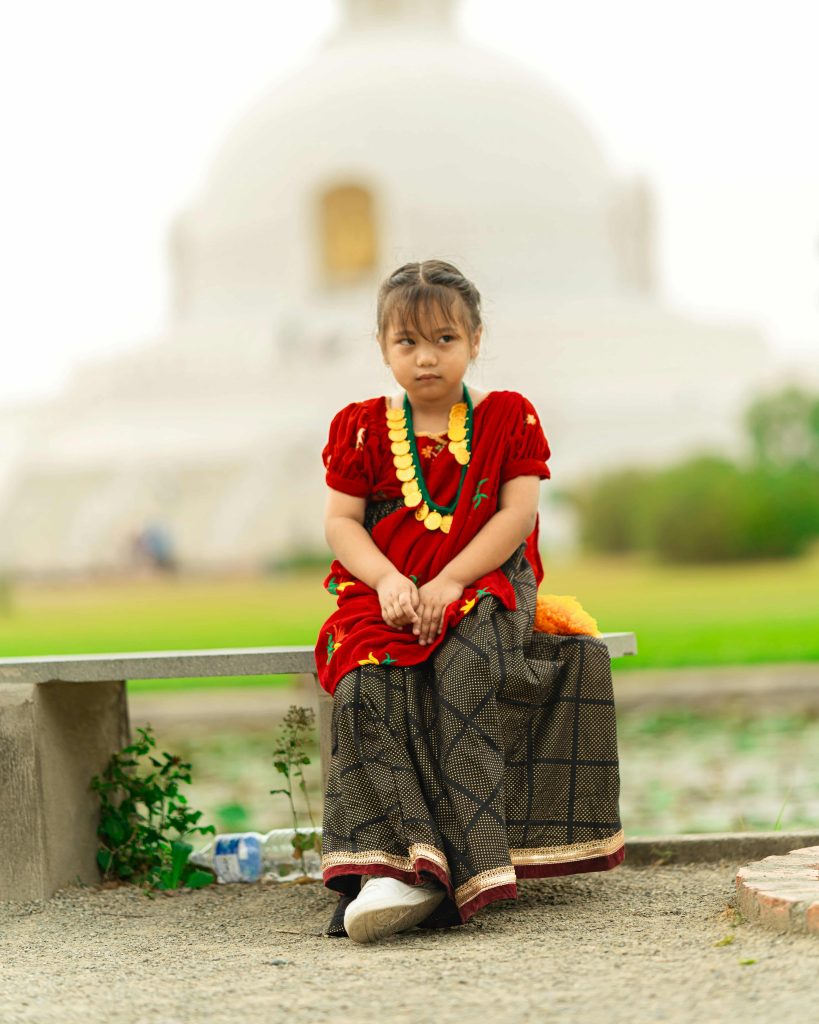
Nepal’s cultural diversity is reflected beautifully in its clothing. From the classic Daura Suruwal to the elegant Gunyu Cholo, from the warm Sherpa attire of the Himalayas to the vibrant dresses of the Terai, Nepali clothing is both practical and deeply symbolic.
For travelers, understanding these traditional outfits not only enriches cultural appreciation but also helps you navigate what’s appropriate to wear during temple visits, homestays, festivals, or trekking.
Daura Suruwal (Men’s Traditional Attire)
The Daura Suruwal is considered Nepal’s national dress for men.
Key Features:
-
Daura: A wrap-style shirt crossed over the chest
-
Suruwal: Slim trousers
-
Often accompanied by a waistcoat and Dhaka topi (traditional hat)
Symbolism:
-
Eight strings represent good luck and religious significance
-
Crossed design symbolizes stability and purity
-
Dhaka patterns represent Nepali craftsmanship
Where You’ll See It:
Festivals, weddings, official ceremonies, and in rural areas.
Gunyu Cholo (Women’s Traditional Attire)
The classic Gunyu Cholo is a beautiful dress worn by women, especially in the hills.
Includes:
-
Gunyu: Draped cloth similar to a sari
-
Cholo: Blouse/top
-
Patuka: Waist sash
-
Haku Patasi: Special red-and-black patterned version in Newar culture
Symbolism:
-
Represents grace, maturity, and womanhood
Often associated with rites of passage ceremonies
Regional & Ethnic Clothing Styles Across Nepal
Nepal is home to 125+ ethnic groups — each with distinct clothing traditions.
Sherpa Clothing (Himalayan Regions)
Warm, layered, and designed for cold mountain climates.
-
Bakhu: Woolen wrap dress
-
Apron (pangden) worn by married women
-
Thick boots and felt hats
Newari Dress (Kathmandu Valley)
-
Women: Haku Patasi, black sari with red border
-
Men: Tapālan and suruwal
-
Rich in handwoven fabrics and jewelry
Tharu Dress (Terai Region)
Bright, colorful, and lightweight.
-
Women wear vibrant skirts, embroidered blouses, and bead jewelry
-
Men wear dhoti and simple shirts
Gurung & Magar Attire (Mid-Hills)
-
Woolen vests, jackets, and dresses suited for cooler hill climate
-
Special attire used during Ghatu and Magar dances
Tamangs, Rais, Limbus & Others
Each ethnic group carries unique styles, colors, and weaving patterns—often showcased during festivals like Lhosar, Sakewa, and Ubhauli/Udhauli.
Traditional Clothing During Festivals
Travelers visiting Nepal during festival seasons will see vibrant cultural dress everywhere.
Dashain & Tihar
-
People wear fresh Daura Suruwal, saris, kurthas, or Gunyu Cholo
-
Jewelry and tika ceremonies highlight the celebrations
Teej (Women’s Festival)
-
Women dress in bright red saris, green bangles, gold ornaments
Lhosar (Tibetan & Himalayan New Year)
-
Sherpa, Tamang & Gurung communities wear ethnic attire
-
Colorful jackets, boots, hats, and woolen dresses
Weddings
-
-
Brides typically wear red saris or lehengas
-
Grooms often choose Daura Suruwal, suits, or traditional Dhaka attire
-